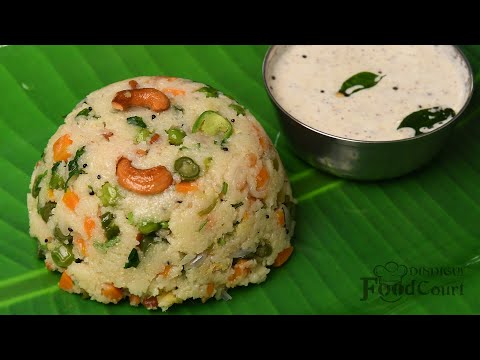
- Measure 4 cups of idli rice, 1 cup of whole urad dal without skin, and 1 tsp of fenugreek seeds
Watch out
Do not use old stock urad dal or split urad dal, otherwise the idlis will not turn out soft.
Recipe details are AI-generated from the video and may contain errors — for reference only.
schedulePrepare in advance
Watch out
Do not use old stock urad dal or split urad dal, otherwise the idlis will not turn out soft.
Watch out
Soak for a full 5 hours so the grains soften properly for smooth grinding.
Watch out
Add water little at a time
Do not add too much water at once, otherwise the batter will become too watery and fail to fluff up
Watch out
Do not add too much water at the beginning when grinding rice, otherwise the rice batter will become too thin and ruin the consistency.
Watch out
The batter consistency must neither be thick nor thin and should fall in ribbons
Thin batter makes flat idlis, while thick batter makes rock hard idlis
Watch out
Fermentation time varies by climate
Ensure it ferments well, otherwise idlis will not turn out soft and spongy
Watch out
Mix gently to avoid deflating the air pockets created during fermentation.
Handle boiling water and hot steamer carefully to avoid severe steam burns.
Watch out
Bring the water to a rolling boil before placing idli plates inside, otherwise idlis will become dense.
Always use oven mitts or a cloth when handling hot steamer lids and metal stands to prevent burns.
Watch out
Steam cook for 10-15 minutes until fully cooked
Do not overcook, otherwise the idlis will dry out
Handle hot idli plates with a cloth or mitts to avoid burning your fingers.
Watch out
Use a wet spoon to remove idlis, otherwise the soft idli surface will stick and tear.
Watch out
Sprinkle water on the cloth before peeling, otherwise the cloth will stick and tear the idli surface.